
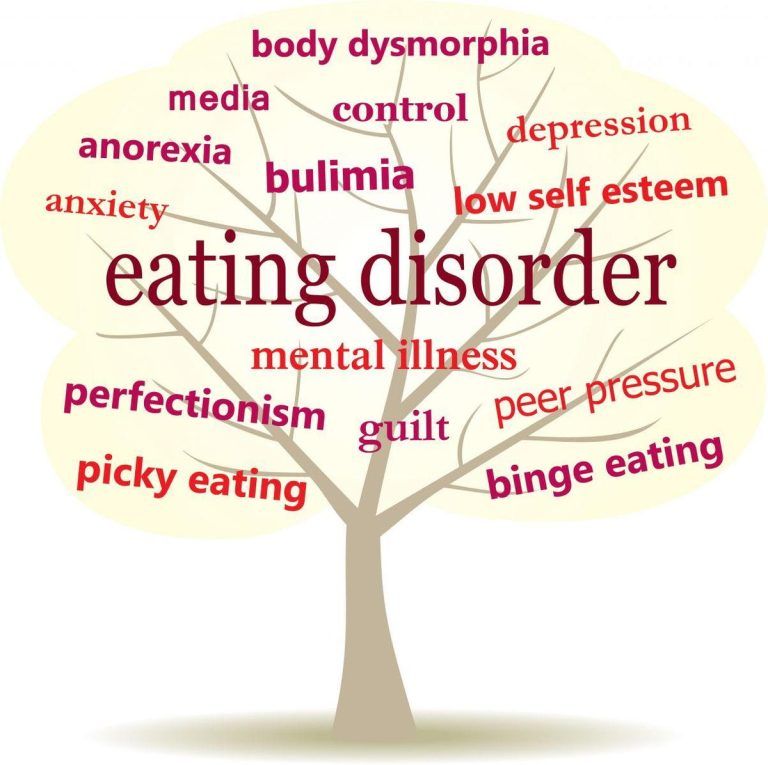
Eating disorders are serious mental health conditions that affect a person’s relationship with food, body image, and self-worth. They are not simply about dieting or wanting to look a certain way. In many cases, they are deeply connected to emotional pain, anxiety, trauma, stress, or low self-esteem. Seeking professional counseling for eating disorders is one of the most important steps toward long-term recovery and improved overall well-being.
If you or a loved one is struggling, finding the right support system - whether through eating disorder treatment Murfreesboro TN or broader eating disorder treatment Tennesseeservices - can make a life-changing difference.
Understanding Eating Disorders
Eating disorders can affect people of all ages, genders, and backgrounds. They often develop gradually and may go unnoticed for months or even years. Some of the most common types include:
- Anorexia Nervosa – Severe restriction of food intake and an intense fear of gaining weight.
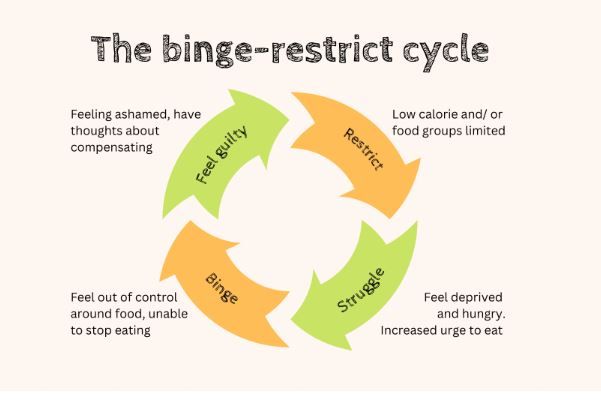
- Bulimia Nervosa – Repeated cycles of binge eating followed by purging behaviors such as vomiting or excessive exercise.
- Binge Eating Disorder – Regular episodes of consuming large amounts of food without purging, often accompanied by guilt and shame.
- ARFID (Avoidant/Restrictive Food Intake Disorder) – Limited food intake that may not be related to body image but still impacts health.
Without proper treatment, eating disorders can lead to serious physical complications, including heart problems, digestive issues, and hormonal imbalances. They also take a heavy emotional toll, increasing the risk of depression and anxiety.
Why Counseling Is Essential
Professional counseling addresses more than eating habits. It focuses on the emotional and psychological factors behind the behavior. Many individuals use food as a coping mechanism to deal with difficult emotions or life situations.
Through counseling for eating disorders, individuals can:
- Identify triggers that lead to unhealthy eating behaviors
- Develop healthier coping strategies
- Improve body image and self-confidence
- Reduce anxiety and depressive symptoms
- Rebuild trust with themselves and others
Therapy provides a safe, non-judgmental environment where individuals can openly discuss their struggles and begin to heal at their own pace.
Treatment Options in Murfreesboro, TN
For those searching for eating disorder treatment Murfreesboro TN, there are qualified professionals and centers offering personalized care. Treatment programs often include:
- Individual therapy sessions
- Group therapy for peer support
- Family counseling
- Nutritional education and meal planning
- Medical monitoring when needed
Outpatient programs are common in Murfreesboro, allowing individuals to receive regular therapy while continuing daily responsibilities such as school or work. This flexible approach helps maintain normal routines while prioritizing recovery.
Local treatment providers often collaborate with dietitians and primary care physicians to ensure both mental and physical health needs are addressed.
Eating Disorder Treatment Across Tennessee
Access to eating disorder treatment Tennessee residents can rely on has expanded in recent years. Depending on the severity of the disorder, different levels of care may be recommended:
- Outpatient Counseling – Weekly therapy sessions for individuals with mild to moderate symptoms.
- Intensive Outpatient Programs (IOP) – Structured therapy multiple days per week.
- Partial Hospitalization Programs (PHP) – Day programs offering more intensive care.
- Residential Treatment – 24/7 support for severe or life-threatening cases.
A licensed mental health professional will conduct an assessment to determine the appropriate level of care. Many providers also offer telehealth options, making it easier for individuals in rural or underserved areas to access professional help.
Signs It’s Time to Seek Help
Recognizing the need for help can be challenging. Many individuals minimize their symptoms or believe they can manage on their own. However, early intervention greatly improves recovery outcomes.
You may benefit from counseling if you experience:
- Constant worry about calories, weight, or body shape
- Skipping meals or extreme dieting
- Frequent binge eating episodes
- Purging behaviors
- Feeling guilty or ashamed after eating
- Avoiding social situations involving food
- Mood swings related to eating habits
If food and body image are controlling your thoughts or interfering with daily life, professional support is strongly recommended.
What to Expect in Your First Session
Starting therapy can feel intimidating, but knowing what to expect can ease anxiety. During your first appointment, a counselor will likely:
- Ask about your eating patterns and behaviors
- Discuss emotional and mental health concerns
- Review medical history if necessary
- Set recovery goals together
- Develop a personalized treatment plan
Therapy is confidential and focused on building trust. Recovery does not happen overnight, but steady progress over time leads to lasting change.
The Role of Family and Support Systems
Family involvement can be a powerful part of recovery, especially for adolescents. Family therapy helps loved ones understand eating disorders and learn how to provide effective support without judgment or pressure.
Support groups are also beneficial, as they connect individuals with others who share similar experiences. Knowing you are not alone can reduce feelings of isolation and shame.
Recovery Is Possible
Eating disorders can feel overwhelming and isolating, but they are treatable conditions. With the right counseling, medical care, and support system, individuals can rebuild a healthy relationship with food and their bodies.
Whether you are exploring counseling for eating disorders, seeking eating disorder treatment Murfreesboro TN, or researching eating disorder treatment Tennessee options, help is available. Taking the first step may feel difficult, but it is the beginning of a healthier and more balanced future.
Recovery is not about perfection - it’s about progress, patience, and learning to treat yourself with compassion. With professional guidance and consistent support, long-term healing is absolutely possible.